
DRYING GUIDE / UPDATED OCTOBER 5, 2026
What controls drying time after upholstery or mattress cleaning?
Drying time is a range because textiles and homes do not behave identically. Fiber, cushion density, soil treatment, indoor humidity, temperature and airflow all matter. HD lists typical ranges, then gives job-specific guidance after seeing how the item was cleaned.
Typical ranges, not guarantees
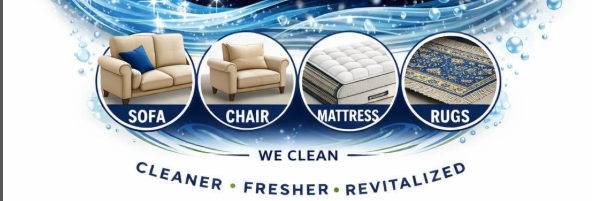
The current HD service pages list about three to six hours for upholstery, four to six hours for mattresses, four to eight hours for carpet and twelve to twenty-four hours for wool area rugs. These are planning ranges. Dense cushions, cool rooms and high humidity can extend them.
Why moisture levels differ
A lightly soiled synthetic chair may need less treatment than a dense sectional with body oil. A mattress surface and a thick carpet pile hold moisture differently. The technician balances enough solution and rinse to clean the textile with controlled extraction and a practical drying plan.
How to support airflow
Use ceiling fans, portable fans or climate control when safe and appropriate. Keep vents open, leave cushions positioned as directed and avoid placing covers or bedding back too early. Do not add heat directly to a damp textile unless the technician specifically recommends it.
When to use the item again
Wait until the cleaned surfaces are dry to the touch and follow the technician's guidance. For a mattress, plan the appointment early enough for same-day drying and keep backup bedding options. For upholstery, avoid body pressure that can trap moisture in seams or between cushions.
ESTIMATE CHECKLIST
What to send HD
- Plan the appointment early in the day
- Make fans or climate control available
- Keep pets and children off damp textiles
- Wait before replacing bedding or covers
COMMON QUESTIONS
Before you book
Can I sleep on a mattress the same night?
HD's typical range is four to six hours, so same-night use is often possible when the appointment and conditions allow. Confirm dryness before replacing bedding.
Can I speed drying with a space heater?
Direct heat can create safety and textile risks. Use normal airflow or climate control and follow the technician's specific instructions.
Why did one cushion dry slower?
Density, fabric, seam construction, soil treatment and airflow can vary from one cushion or section to another.