
FIBER GUIDE / UPDATED OCTOBER 5, 2026
Why wool rugs and delicate upholstery need testing first
A wool rug, inherited chair or fabric with decorative trim should not be cleaned from appearance alone. The safer process starts by identifying construction, checking dye stability and selecting moisture, chemistry and agitation for that specific textile. Testing is not a promise of perfection; it is how avoidable risk is reduced.
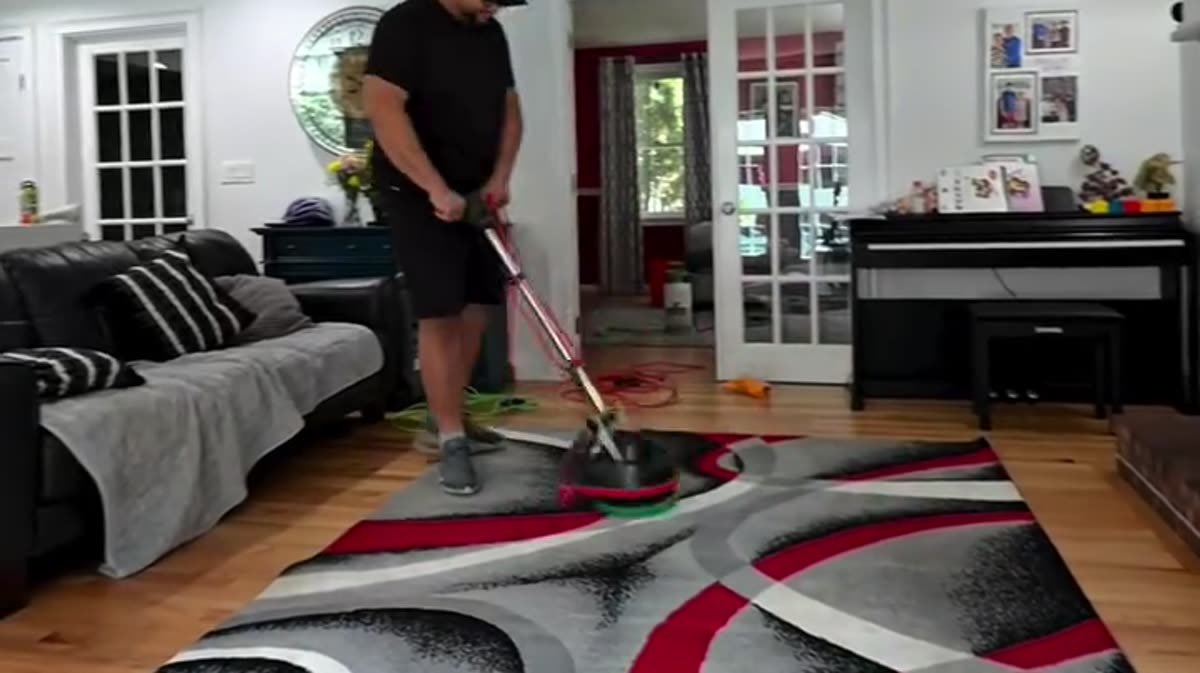
Fiber and construction change the method
Wool, cotton, silk blends and synthetics handle water, heat and mechanical action differently. Rug backing, fringe, latex, hand finishing and prior repairs matter too. An upholstery tag can help, but it does not replace a physical inspection of the face fabric and hidden construction.
What a colorfastness test does
A test checks whether dye is likely to move under the proposed solution and method. It cannot simulate every condition across the entire piece, but it gives the technician evidence for choosing a safer approach. Unstable dye, browning risk or weak areas may change the scope or lead to a recommendation not to proceed.
Why household recipes are risky
Internet mixtures often ignore pH, fiber type and residues from previous products. Too much soap can attract soil; aggressive rubbing can distort pile; heat can set some stains; and bleaching agents can remove color. Blot spills, avoid flooding and tell the cleaner exactly what was used.
What to include in a request
Send a full photo, close-ups of the face and fringe, approximate dimensions and any maker or fiber label. Explain whether the item is antique, inherited, previously repaired or affected by pets. This lets HD decide whether in-home service or another handling plan is appropriate.
ESTIMATE CHECKLIST
What to send HD
- Photograph front, back, fringe and label
- Measure length and width
- List prior spot products or repairs
- Do not scrub or saturate an uncertain fiber
COMMON QUESTIONS
Before you book
Can every wool rug be cleaned in the home?
No. Construction, dye stability, soil and drying conditions determine the appropriate handling plan. HD inspects before recommending a method.
Does testing eliminate all risk?
No. Testing reduces avoidable risk and helps select a method, but age, hidden damage and prior treatments can still affect the result.
Is a cleaning-code tag enough for delicate upholstery?
It is useful evidence, but the technician should still inspect the actual fabric, trim, backing and condition before applying moisture.